Understanding Cannabis Use Disorder
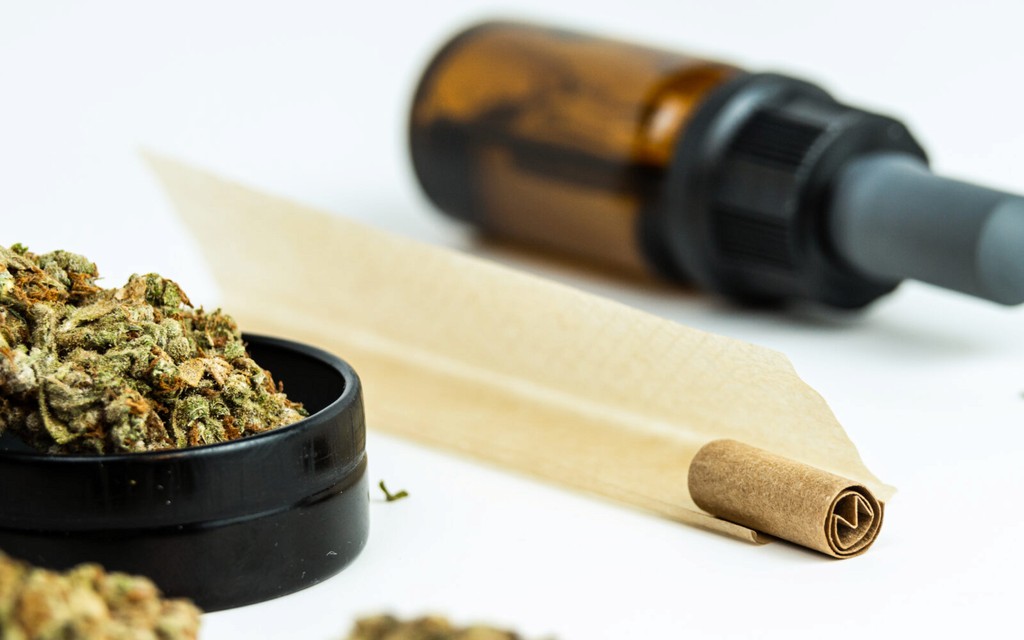
Cannabis use disorder refers to the problematic use of cannabis, resulting in significant impairment or distress. This condition is characterized by a persistent desire or unsuccessful efforts to control cannabis use, despite the negative consequences it may incur.
Common symptoms and signs of cannabis use disorder include:
Inability to Control Use: Unsuccessful attempts to reduce or stop cannabis consumption.
Tolerance: Needing increasing amounts of cannabis to achieve the desired effects or experiencing diminished effects with continued use of the same amount.
Withdrawal Symptoms: Experiencing physical or psychological symptoms such as irritability, anxiety, and sleep disturbances upon cessation or reduction of use.
Neglect of Responsibilities and Activities: Failing to fulfill obligations at work, school, or home due to cannabis use.
Continued Use Despite Problems: Persisting in cannabis use despite awareness of the physical or psychological issues caused or exacerbated by the substance.
The dual presence of these symptoms highlights the necessity of seeking professional help to manage and overcome cannabis use disorder, as it can lead to deteriorated mental health and hinder personal growth and success.
Our Treatment Approach
At New Vision Wellness, we offer a personalized, multifaceted approach to the treatment of cannabis use disorder, focusing on the comprehensive recovery of each individual. Key aspects of our program include:
Comprehensive Evaluation:
Every new client receives a thorough evaluation conducted by our skilled professionals, which includes assessing the extent of cannabis use, identifying co-occurring mental health disorders, and understanding individual needs to formulate an optimal treatment plan.
Integrated Therapies:
Cognitive Behavioral Therapy (CBT): CBT is utilized to help clients identify and change negative thinking patterns and behaviors related to cannabis use.
Motivational Enhancement Therapy (MET): Enhances the individual's motivation to change cannabis use behavior by exploring and resolving ambivalence, facilitating a commitment to recovery.
Contingency Management: Offers positive reinforcement as a reward for maintaining abstinence from cannabis, promoting healthier behavior patterns.
Family Counseling: Involves family members in the recovery process to address relational dynamics and build a supportive home environment.
Peer Support Groups: Provides the opportunity to share experiences and gain insights from others who have faced similar challenges.
Holistic Approaches:
Our treatment philosophy encompasses holistic strategies, which may include mindfulness practices, yoga, art therapy, nutritional counseling, and physical exercise routines to enhance overall wellness and balance.

Latest
From the Blog
Discover fresh insights, practical tips, and empowering stories to help you on your journey towards a happier, healthier, and more fulfilling life. Dive into our most recent posts below and embark on a path of continuous growth and self-discovery.